
Bengali Translation Services in the UK: What to Look For

Understanding Bengali Translation Services Bengali translation services are crucial for individuals and businesses needing accurate communication in Bengali, one of the most spoken languages in the UK. Whether for legal documents, academic transcripts, or personal correspondence, finding the right service provider is essential. What to Look For in Certified Translation Services 1. Certification and Accreditation When seeking certified translation services in the UK, ensure that the provider is accredited by recognized bodies such as the Association of Translation Companies (ATC) or the Institute of Translation and Interpreting (ITI). This certification guarantees that the translations meet industry standards. 2. Expertise in Bengali Language Choose a service that specializes in Bengali translations. Look for translators who are native speakers and have a deep understanding of cultural nuances. This expertise is vital for ensuring that the translation is not only accurate but also culturally appropriate. 3. Range of Services Offered Consider a provider that offers a comprehensive range of services, including: Document translation Website localization Interpretation services Subtitling and transcription Having a one-stop solution can save you time and effort. 4. Turnaround Time In many cases, timely delivery is crucial. Discuss your deadlines upfront and ensure the service can meet your requirements without compromising quality. 5. Client Testimonials and Case Studies Look for reviews and testimonials from previous clients. Positive feedback can provide insights into the reliability and quality of the service. Additionally, case studies can demonstrate the provider’s experience in handling specific types of translations. 6. Pricing Structure While cost should not be the only factor, it is essential to understand the pricing structure. Ensure there are no hidden fees and that the pricing reflects the quality of service offered. Compare quotes from different providers to find a balance between cost and quality. Why Choose Certified Bengali Translation Services? Opting for certified services ensures that your translations are legally recognized and accepted by authorities. This is particularly important for documents such as: Birth certificates Marriage certificates Academic transcripts Certified translations provide peace of mind, knowing that your documents are handled by professionals who adhere to strict standards. Frequently Asked Questions What is a certified translation? A certified translation is a translation that comes with a signed statement from the translator or translation agency attesting to its accuracy and completeness. How long does it take to get a certified translation? The turnaround time for certified translations varies by provider and document type, but most services can deliver within a few days to a week. Are certified translations more expensive? Certified translations may cost more than standard translations due to the additional verification and quality assurance processes involved. Can I get a certified translation for any document? Yes, most translation services can provide certified translations for various documents, including legal, academic, and personal documents. How do I choose the right translation service? Look for certification, expertise in the Bengali language, a range of services, client testimonials, and a transparent pricing structure. Conclusion Choosing the right Bengali translation service in the UK is crucial for ensuring accurate and culturally relevant translations. By focusing on certification, expertise, and client feedback, you can find a service that meets your needs effectively. For more information on our Bengali translation services, visit our website today.
Bank Statement Translation UK: Certified vs Standard Translation

Understanding Bank Statement Translation in the UK In today’s globalized world, the need for accurate and reliable translation services has never been more critical. When it comes to financial documents like bank statements, the stakes are even higher. Whether you are applying for a visa, seeking employment, or managing international transactions, understanding the nuances between certified and standard translation services is essential. What is Certified Translation? Certified translation refers to the process where a translator or a translation agency provides a signed statement attesting to the accuracy and completeness of the translated document. This type of translation is often required for official purposes, such as immigration applications or legal proceedings. Key Features of Certified Translation Accuracy: Certified translations are performed by professional translators who ensure that every detail is accurately conveyed. Legal Validity: These translations come with a certification that is recognized by government bodies and institutions. Professional Standards: Certified translators adhere to strict ethical guidelines and standards. What is Standard Translation? Standard translation, on the other hand, does not come with a certification. This type of translation may be suitable for personal use or informal purposes, such as translating a document for a friend or family member. Key Features of Standard Translation Cost-Effective: Standard translations are typically less expensive than certified translations. Quick Turnaround: These translations can often be completed more quickly due to less stringent requirements. Less Formality: Standard translations may not meet the legal requirements for official documents. When to Choose Certified Translation Services in the UK Choosing certified translation services in the UK is crucial when dealing with documents that require official recognition. Here are some scenarios where certified translations are necessary: Applying for a visa or residency Submitting documents for court proceedings Translating academic transcripts for educational institutions Providing documentation for financial institutions Benefits of Using Certified Translation Services UK Utilizing certified translation services offers several advantages: Peace of Mind: Knowing that your documents are accurately translated and certified can alleviate stress during important processes. Increased Acceptance: Certified translations are more likely to be accepted by authorities and institutions. Professionalism: Working with certified translators ensures high-quality service and adherence to industry standards. How to Choose the Right Translation Service When selecting a translation service for your bank statement or other financial documents, consider the following: Experience: Look for agencies with a proven track record in financial translations. Accreditations: Ensure the agency is accredited and employs certified translators. Customer Reviews: Check testimonials and reviews to gauge the quality of service. FAQs about Bank Statement Translation 1. What is the difference between certified and standard translation? Certified translation includes a signed statement of accuracy, while standard translation does not. 2. Do I need a certified translation for my bank statement? Yes, if the bank statement is required for official purposes, such as visa applications. 3. How long does a certified translation take? The time varies by document length and complexity, but certified translations typically take longer than standard translations. 4. Can I use a standard translation for official purposes? No, standard translations are generally not accepted for official use. 5. How much do certified translation services cost in the UK? Costs vary based on the document type and length; it’s best to request a quote from the service provider. Conclusion In conclusion, understanding the differences between certified and standard translation services is vital for anyone needing to translate bank statements in the UK. For official purposes, opting for certified translation services ensures accuracy, legal validity, and peace of mind. If you require assistance with your translation needs, contact us today for professional support.
Arabic to English Translation: Common Mistakes to Avoid

Understanding Arabic to English Translation Arabic to English translation is a nuanced process that requires not only linguistic skills but also cultural understanding. Many individuals and businesses seek certified translation services in the UK to ensure accuracy and professionalism in their documents. However, there are common pitfalls that can lead to misunderstandings and inaccuracies. Common Mistakes to Avoid 1. Literal Translation One of the most frequent mistakes is translating phrases literally. Arabic expressions often carry cultural meanings that do not translate directly into English. For instance, the Arabic phrase “إن شاء الله” (Insha’Allah) means “God willing,” but a literal translation would not convey the same sentiment. Understanding context is crucial. 2. Ignoring Dialects Arabic is not a monolithic language; it has numerous dialects that can vary significantly. Failing to account for these dialects can lead to misinterpretations. For example, the word for “bread” differs across regions: “خبز” (khobz) in Modern Standard Arabic, but “عَيش” (aish) in some dialects. Certified translators are trained to recognize these differences. 3. Misunderstanding Cultural References Cultural references in Arabic texts may not have direct equivalents in English. A translator must be aware of these references to provide an accurate translation. For instance, idioms or proverbs may require rephrasing to resonate with an English-speaking audience. 4. Neglecting Context Context is vital in translation. Words can have multiple meanings depending on their usage. A professional translator will consider the overall context of the document to ensure that the translation is appropriate. For example, the word “سوق” (souq) can mean “market” or “to market” depending on the context. 5. Overlooking Formatting and Structure Arabic and English have different writing systems and structures. A common mistake is to overlook the formatting of documents, which can affect readability. Certified translation services ensure that the final document adheres to the formatting standards required in English. How Certified Translation Services Can Help Utilizing certified translation services in the UK can significantly reduce the risk of these common mistakes. Professional translators are not only fluent in both languages but also possess a deep understanding of cultural nuances and context. They ensure that your translated documents are accurate, culturally relevant, and formatted correctly. Conclusion In conclusion, avoiding common mistakes in Arabic to English translation is essential for effective communication. By engaging certified translation services, you can ensure that your documents are translated accurately and professionally. Don’t compromise on quality; choose a trusted service for your translation needs. FAQs What are certified translation services? Certified translation services provide translations that are officially recognized for their accuracy and completeness, often required for legal or official documents. Why is cultural understanding important in translation? Cultural understanding is crucial because it helps translators convey the intended meaning and context of the original text, avoiding misunderstandings. How can I find reliable translation services in the UK? Look for services that offer certified translations, have positive client testimonials, and specialize in the language pair you need, such as Arabic to English. What types of documents require certified translation? Documents such as legal contracts, academic transcripts, birth certificates, and immigration papers typically require certified translation. Can I translate documents myself? While you can translate documents yourself, it is advisable to use certified services for important documents to ensure accuracy and acceptance by authorities.
Arabic Translation Services in the UK: What to Look For
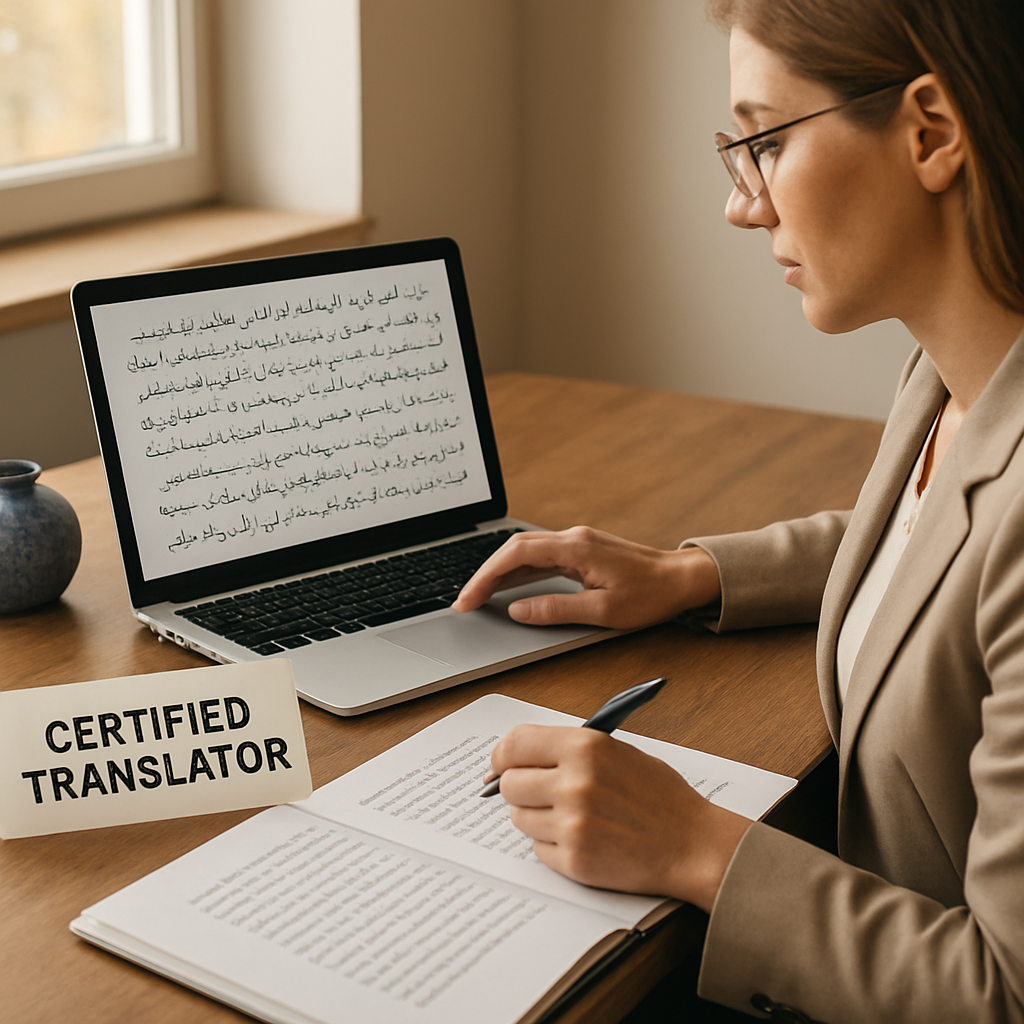
Understanding Arabic Translation Services in the UK In an increasingly globalized world, the demand for certified translation services in the UK has surged, particularly for languages like Arabic. Whether for legal documents, academic transcripts, or business communications, accurate translation is crucial. This article will guide you through the essential factors to consider when selecting Arabic translation services in the UK. Why Choose Certified Translation Services? Certified translation services are vital for ensuring that your documents are recognized by official bodies. Here are some key reasons: Legal Acceptance: Certified translations are often required for immigration, legal proceedings, and academic applications. Accuracy: Certified translators are trained to provide precise translations that maintain the original document’s intent and meaning. Professionalism: Using certified services enhances your credibility, especially in formal contexts. What to Look For in Arabic Translation Services 1. Qualifications and Certifications Ensure that the translation service employs certified translators who are fluent in both Arabic and English. Look for qualifications from recognized bodies, such as the Institute of Translation and Interpreting (ITI) or the Chartered Institute of Linguists (CIOL). 2. Specialization in Subject Matter Different fields require different terminologies. Whether you need legal, medical, or technical translations, choose a service that specializes in your area of need. This specialization ensures that the translator understands the nuances of the subject matter. 3. Quality Assurance Processes A reputable translation service should have a robust quality assurance process. This includes proofreading and editing by a second translator to ensure accuracy and consistency. 4. Client Testimonials and Case Studies Look for reviews and testimonials from previous clients. A reliable service will showcase their success stories and provide case studies that highlight their expertise. 5. Turnaround Time and Pricing Discuss the expected turnaround time and pricing upfront. While quality is paramount, it’s essential to find a service that fits your budget and timeline. Common Applications of Arabic Translation Services Arabic translation services are utilized in various contexts, including: Legal Documents: Contracts, affidavits, and court documents. Academic Transcripts: Translations for educational purposes, such as university applications. Business Communications: Marketing materials, reports, and correspondence. FAQs About Arabic Translation Services in the UK What is a certified translation? A certified translation is a translation that comes with a signed statement from the translator or translation service attesting to its accuracy and completeness. How long does it take to get a document translated? The turnaround time varies based on the document’s length and complexity. Generally, expect a few days to a week for standard documents. Are all translators qualified for certified translations? No, only translators with recognized certifications can provide certified translations. Always verify their credentials. What types of documents require certified translation? Documents such as birth certificates, marriage licenses, legal contracts, and academic transcripts typically require certified translation. Conclusion Choosing the right Arabic translation service in the UK is crucial for ensuring that your documents are accurately translated and legally recognized. By considering qualifications, specialization, quality assurance, and client feedback, you can make an informed decision that meets your needs. For more information on our Arabic translation services, contact us today!
Apostille and Legalisation in the UK: When You Need It (and When You Don’t)

Understanding Apostille and Legalisation in the UK Apostille and legalisation are crucial processes for individuals and businesses dealing with international documents. In the UK, these processes ensure that your documents are recognized abroad. But when exactly do you need them? This guide will clarify the differences between apostille and legalisation, and help you determine when each is necessary. What is an Apostille? An apostille is a certificate that authenticates the origin of a public document. It is issued under the Hague Convention of 1961, which simplifies the process of legalizing documents for use in foreign countries that are also part of the convention. When Do You Need an Apostille? International Use: If you are planning to use a document in a country that is a member of the Hague Convention, you will need an apostille. Types of Documents: Common documents requiring an apostille include birth certificates, marriage certificates, and academic transcripts. Quick Processing: Apostille services in the UK can often be completed quickly, making it a convenient option for urgent needs. What is Legalisation? Legalisation is a more complex process than apostille. It involves the verification of documents by the embassy or consulate of the country where the document will be used. This process is necessary for countries that are not part of the Hague Convention. When Do You Need Legalisation? Non-Hague Countries: If you are dealing with a country that is not a member of the Hague Convention, legalisation is required. Specific Document Types: Legalisation is often needed for business contracts, powers of attorney, and other legal documents. Longer Processing Time: The legalisation process can take longer, as it involves additional steps through the embassy. Apostille vs. Legalisation: Key Differences Understanding the differences between apostille and legalisation can save you time and effort. Here’s a quick comparison: Scope: Apostille is for Hague Convention countries; legalisation is for non-Hague countries. Process: Apostille is a simpler, quicker process; legalisation involves embassy verification. Document Types: Both processes can apply to various documents, but the requirements differ based on the destination country. How to Obtain an Apostille or Legalisation in the UK Obtaining an apostille or legalisation in the UK is straightforward: For Apostille: You can apply through the UK Foreign, Commonwealth & Development Office (FCDO) or authorized service providers. For Legalisation: You will need to submit your documents to the relevant embassy or consulate along with any required fees. Common FAQs About Apostille and Legalisation in the UK 1. What documents can be apostilled in the UK? Documents such as birth certificates, marriage certificates, and academic transcripts can be apostilled in the UK. 2. How long does it take to get an apostille? The processing time for an apostille can vary, but it typically takes a few days to a week. 3. Is legalisation more expensive than apostille? Yes, legalisation often involves higher fees due to the additional steps required through embassies. 4. Can I do the apostille process myself? While you can apply for an apostille yourself, many choose to use professional services for convenience and accuracy. 5. What if my document is not in English? If your document is in a foreign language, you may need to have it translated before obtaining an apostille or legalisation. Conclusion Understanding when to use apostille and legalisation in the UK is essential for ensuring your documents are valid internationally. Whether you need an apostille for a quick process or legalisation for a more complex requirement, being informed will help you navigate these legal waters smoothly. For professional assistance with apostille services, consider our Apostille Service UK.
Affidavit Translation UK: Certified vs Standard Translation

Understanding Affidavit Translation in the UK In the realm of legal documentation, affidavits hold significant importance. They are sworn statements used in various legal contexts, often requiring precise translation for non-English speakers. In the UK, the need for accurate affidavit translation is paramount, especially when dealing with immigration, legal proceedings, or international business. This article delves into the differences between certified and standard translation services, specifically focusing on affidavit translation. What is Certified Translation? Certified translation refers to a translation that comes with a signed statement from the translator or translation service, affirming that the translation is accurate and complete. This type of translation is often required for legal documents, including affidavits, as it provides a level of assurance to authorities that the document has been translated by a qualified professional. Key Features of Certified Translation Accuracy: Certified translations are performed by professional translators who are fluent in both the source and target languages. Legal Acceptance: These translations are recognized by courts, immigration offices, and other legal entities. Documentation: A certificate of accuracy accompanies the translation, detailing the translator’s qualifications. What is Standard Translation? Standard translation, on the other hand, does not come with a certification of accuracy. While it may still be performed by skilled translators, it lacks the formal validation required for legal documents. Standard translations are suitable for personal use or informal contexts but may not be accepted by legal authorities. When to Use Standard Translation For personal documents that do not require legal validation. For internal business communications where accuracy is less critical. For informal correspondence or non-legal documents. Certified vs Standard Translation: A Comparison Choosing between certified and standard translation services depends on the purpose of the document. Here’s a quick comparison: Feature Certified Translation Standard Translation Legal Acceptance Yes No Certificate of Accuracy Included Not Included Cost Higher Lower Use Cases Legal documents, immigration Personal use, informal Why Choose Certified Translation Services in the UK? Opting for certified translation services in the UK ensures that your affidavit and other legal documents meet the stringent requirements set by authorities. Here are some compelling reasons to choose certified services: Expertise: Certified translators possess the necessary qualifications and experience to handle complex legal terminology. Trustworthiness: Legal entities require certified translations for their reliability and accuracy. Peace of Mind: Knowing your documents are accurately translated can alleviate stress during legal processes. FAQs About Affidavit Translation 1. What is the difference between certified and standard translation? Certified translation includes a statement of accuracy from the translator, making it legally acceptable, while standard translation does not. 2. When do I need a certified translation for my affidavit? If your affidavit is to be submitted to a court or immigration authority, a certified translation is typically required. 3. How can I find certified translation services in the UK? You can search online for certified translation services or consult local translation agencies that specialize in legal documents. 4. Are certified translations more expensive than standard translations? Yes, certified translations generally cost more due to the additional verification and expertise required. 5. Can I use a standard translation for legal purposes? No, standard translations are not accepted for legal documents that require certification. Conclusion In summary, understanding the differences between certified and standard translation is crucial when dealing with legal documents like affidavits. For those in need of certified translation services in the UK, it is essential to choose a reputable provider to ensure accuracy and legal compliance. If you require assistance with affidavit translation, contact us today for professional certified translation services tailored to your needs.
Academic Transcript Translation UK: Certified vs Standard Translation

Understanding Academic Transcript Translation When it comes to pursuing education or employment opportunities abroad, having your academic transcripts accurately translated is crucial. In the UK, the demand for certified translation services has grown significantly, particularly for academic documents. This article delves into the differences between certified and standard translation services, helping you make an informed decision for your academic needs. What is Certified Translation? Certified translation refers to a translation that comes with a signed statement from the translator or translation agency, affirming that the translation is accurate and complete. This type of translation is often required for official documents, including: Academic transcripts Diplomas Birth certificates In the UK, many institutions, including universities and employers, require certified translations to ensure the authenticity and reliability of the documents presented. Why Choose Certified Translation Services? Opting for certified translation services in the UK offers several advantages: Legal Acceptance: Certified translations are recognized by government bodies and educational institutions. Accuracy: Professional translators ensure that the translation is not only linguistically accurate but also contextually appropriate. Accountability: The translator or agency takes responsibility for the accuracy of the translation, providing peace of mind. Standard Translation Services In contrast, standard translation services do not come with a certification. While they may be suitable for personal use or informal documents, they often lack the legal weight required for official submissions. Standard translations can be beneficial for: Informal communications Personal documents not requiring certification General understanding of content When to Use Standard Translation? Standard translation might be appropriate when: The document is not intended for official use. You need a quick translation for personal reference. The content does not require a certified translator’s expertise. Comparing Certified and Standard Translation Criteria Certified Translation Standard Translation Legal Acceptance Yes No Accuracy Guarantee Yes No Cost Higher Lower Turnaround Time Varies Usually faster Choosing the Right Service for Your Needs When deciding between certified and standard translation services, consider the purpose of your translation. If you are applying for a university or job that requires official documentation, investing in certified translation services in the UK is essential. For personal use, standard translation may suffice. How to Find Reliable Translation Services To ensure you receive high-quality translation services, look for the following: Accredited translators with experience in academic translations. Positive client testimonials and case studies. Clear pricing structures and turnaround times. FAQs 1. What is the cost of certified translation services in the UK? The cost varies depending on the document type and length. It’s best to request a quote from a certified translation service provider. 2. How long does it take to get a certified translation? Turnaround times can vary, but most certified translation services aim to complete translations within a few days. 3. Can I use a standard translation for university applications? No, universities typically require certified translations for official documents. 4. What documents require certified translation? Documents such as academic transcripts, diplomas, and legal documents often require certified translation. 5. How do I choose a certified translation service? Look for accredited translators, positive reviews, and clear pricing to ensure you select a reliable service. Conclusion In summary, understanding the differences between certified and standard translation services is vital for anyone needing to translate academic transcripts in the UK. For official purposes, certified translation services are the best choice to ensure accuracy and legal acceptance. If you need assistance with your academic transcript translation, contact us today to learn more about our certified translation services.