Understanding Apostille and Legalisation in the UK
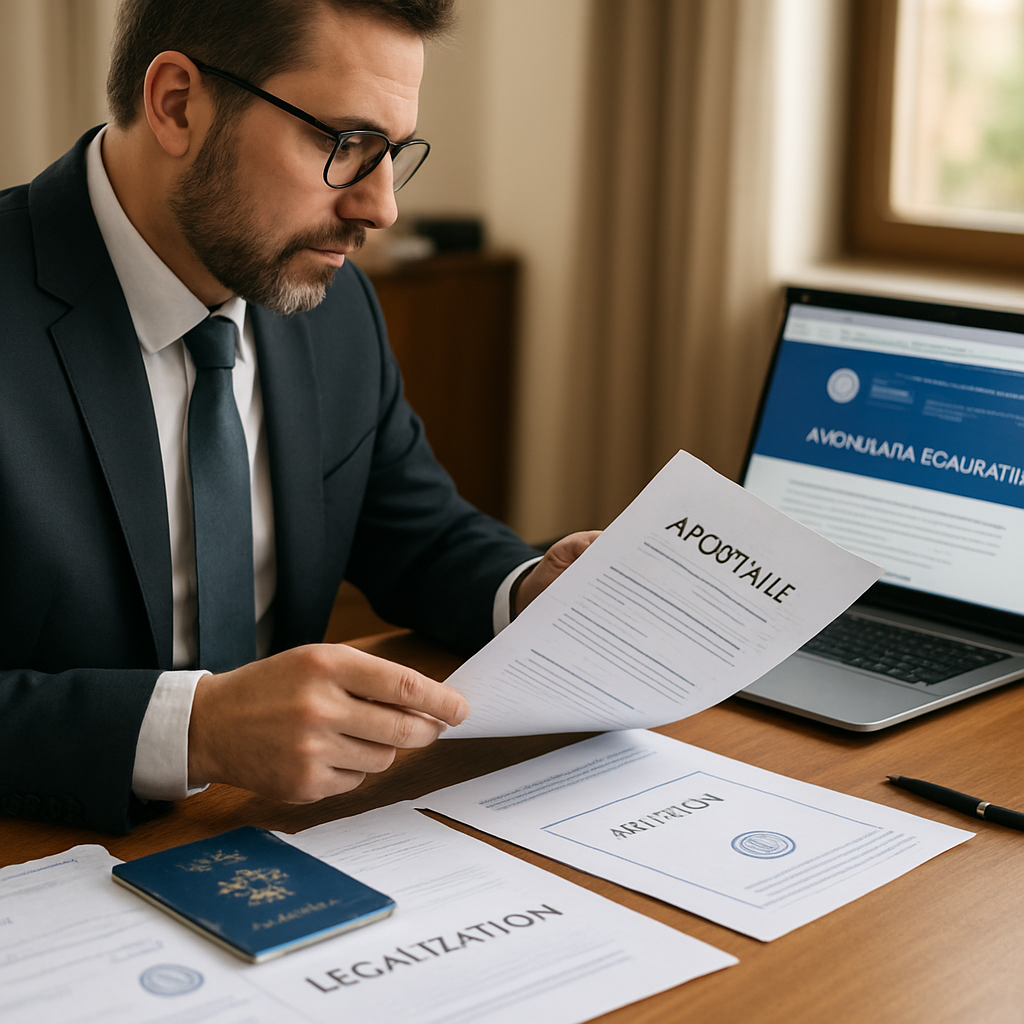
Apostille and legalisation are crucial processes for individuals and businesses dealing with international documents. In the UK, these processes ensure that your documents are recognized abroad. But when exactly do you need them? This guide will clarify the differences between apostille and legalisation, and help you determine when each is necessary.
What is an Apostille?
An apostille is a certificate that authenticates the origin of a public document. It is issued under the Hague Convention of 1961, which simplifies the process of legalizing documents for use in foreign countries that are also part of the convention.
When Do You Need an Apostille?
- International Use: If you are planning to use a document in a country that is a member of the Hague Convention, you will need an apostille.
- Types of Documents: Common documents requiring an apostille include birth certificates, marriage certificates, and academic transcripts.
- Quick Processing: Apostille services in the UK can often be completed quickly, making it a convenient option for urgent needs.
What is Legalisation?
Legalisation is a more complex process than apostille. It involves the verification of documents by the embassy or consulate of the country where the document will be used. This process is necessary for countries that are not part of the Hague Convention.
When Do You Need Legalisation?
- Non-Hague Countries: If you are dealing with a country that is not a member of the Hague Convention, legalisation is required.
- Specific Document Types: Legalisation is often needed for business contracts, powers of attorney, and other legal documents.
- Longer Processing Time: The legalisation process can take longer, as it involves additional steps through the embassy.
Apostille vs. Legalisation: Key Differences
Understanding the differences between apostille and legalisation can save you time and effort. Here’s a quick comparison:
- Scope: Apostille is for Hague Convention countries; legalisation is for non-Hague countries.
- Process: Apostille is a simpler, quicker process; legalisation involves embassy verification.
- Document Types: Both processes can apply to various documents, but the requirements differ based on the destination country.
How to Obtain an Apostille or Legalisation in the UK
Obtaining an apostille or legalisation in the UK is straightforward:
- For Apostille: You can apply through the UK Foreign, Commonwealth & Development Office (FCDO) or authorized service providers.
- For Legalisation: You will need to submit your documents to the relevant embassy or consulate along with any required fees.
Common FAQs About Apostille and Legalisation in the UK
1. What documents can be apostilled in the UK?
Documents such as birth certificates, marriage certificates, and academic transcripts can be apostilled in the UK.
2. How long does it take to get an apostille?
The processing time for an apostille can vary, but it typically takes a few days to a week.
3. Is legalisation more expensive than apostille?
Yes, legalisation often involves higher fees due to the additional steps required through embassies.
4. Can I do the apostille process myself?
While you can apply for an apostille yourself, many choose to use professional services for convenience and accuracy.
5. What if my document is not in English?
If your document is in a foreign language, you may need to have it translated before obtaining an apostille or legalisation.
Conclusion
Understanding when to use apostille and legalisation in the UK is essential for ensuring your documents are valid internationally. Whether you need an apostille for a quick process or legalisation for a more complex requirement, being informed will help you navigate these legal waters smoothly. For professional assistance with apostille services, consider our Apostille Service UK.